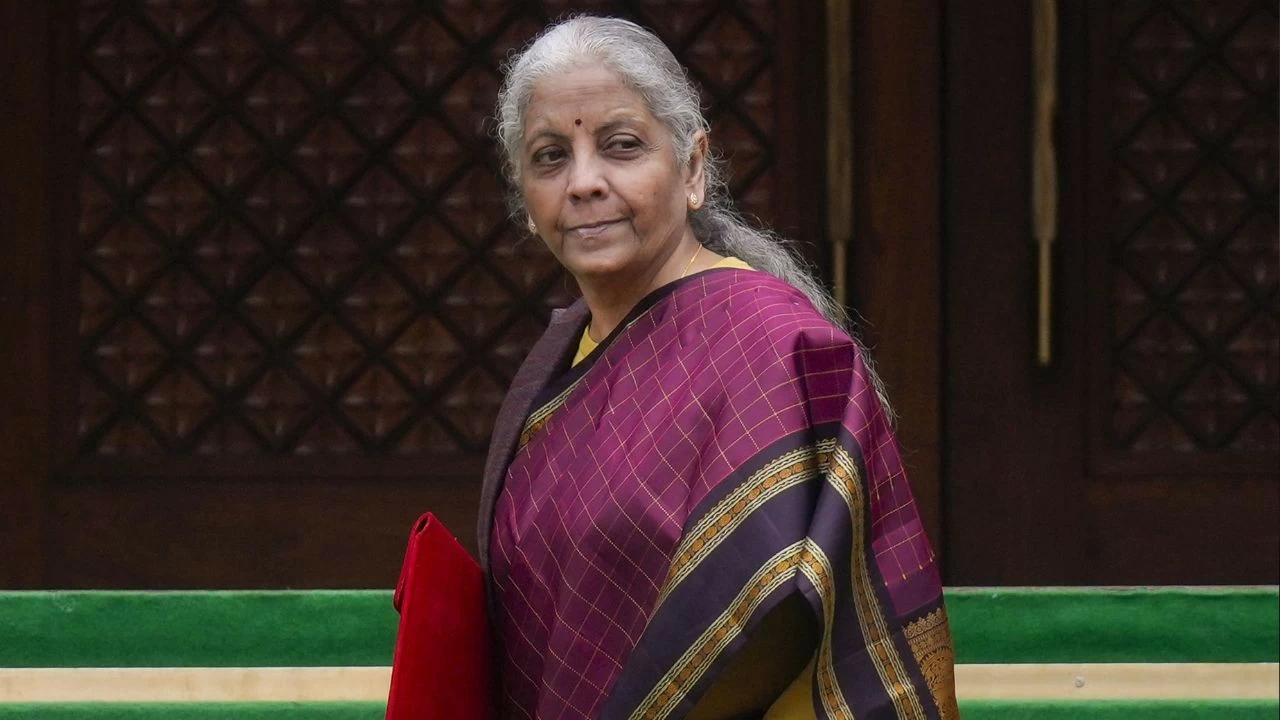
New Delhi: Finance Minister Nirmala Sitharaman is set to present the Union Budget 2026 on Sunday, marking a historic moment in India’s parliamentary and fiscal history. This will be the first time the Union Budget is presented on a Sunday, making February 1 particularly significant this year.
With this presentation, Sitharaman will deliver her ninth consecutive Union Budget, including one Interim Budget, becoming the first Finance Minister in India to achieve this milestone. She will also be the first Finance Minister to present the Union Budget on a Sunday, further adding to the historic nature of the occasion.
Over the years, the Union Budget has undergone several notable changes, reflecting India’s evolving administrative priorities and policy reforms. Until 1999, the Budget was traditionally presented on the last working day of February. That convention changed when February 28 fell on a Sunday, prompting then Finance Minister Yashwant Sinha to present the Budget a day earlier.
Another significant shift introduced by Sinha was the change in the timing of the Budget presentation. Earlier, the Budget was presented at 5:00 pm, a practice dating back to the British era to align with working hours in the United Kingdom. This was later changed to 11:00 am, allowing Parliament to discuss the Budget throughout the day in India.
In 2017, the BJP-led NDA government advanced the Budget presentation date to February 1. This reform enabled ministries to begin implementing budgetary proposals well before the start of the new financial year. Two years later, in 2019, the government replaced the colonial-era leather briefcase with a red cloth folder embossed with the national emblem, symbolizing a move towards Indian tradition and identity.
Together, these changes highlight how the Union Budget has evolved over time not just in content, but also in presentation, timing, and symbolism reflecting India’s shift away from colonial practices toward a more indigenous and efficient governance framework.
About the Author